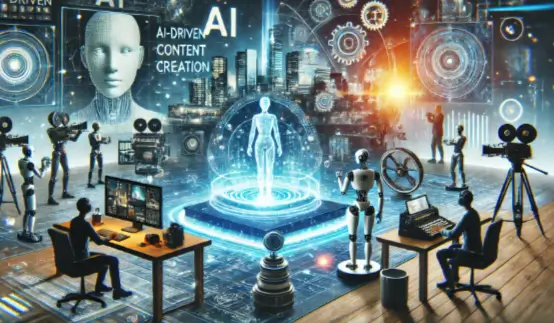

Artificial intelligence is increasingly embedded across a film’s lifecycle. In preproduction, it analyzes scripts, helps with casting, and outlines budgets and schedules. On set, AI supports shooting decisions, integrates VFX, and streamlines color and sound workflows. Postproduction benefits from automated checks and rapid feedback. The approach emphasizes data-informed collaboration, clear ethics, and a balance between speed and artistic intent. The implications are substantial, and the path forward invites careful scrutiny of processes, roles, and accountability.
What AI Is Doing for Modern Film Production
AI technologies are transforming modern film production by streamlining workflows, enhancing creative options, and reducing lead times. The approach is pragmatic and collaborative, aligning stakeholders toward shared goals. Tools optimize asset management, post pipelines, and real-time collaboration while maintaining flexibility. AI ethics and audience analytics guide decisions, balancing innovation with responsibility and insight. Strategic deployment supports freedom through transparent, measurable improvements.
AI in Preproduction: Script Analysis, Casting, and Planning
In preproduction, AI-driven tools streamline script analysis, casting decisions, and logistical planning by extracting actionable insights from text, data, and schedules. These systems support collaborative decision making, aligning creative intent with practical feasibility. They quantify risks, optimize budgets, and map timelines, empowering producers and directors to test scenarios.
Script analysis and casting decisions become data-informed, iterative, and transparently adjustable for freedom-focused teams.
See also: journalheaven
AI on Set and in Post: Shooting, VFX, Color, and Sound
On set and in post, AI-assisted workflows streamline shooting decisions, VFX integration, color management, and sound design by delivering real-time feedback, precise asset tracking, and automated quality checks.
This enables teams to refine Script Analysis and respond to Casting Trends with agility, aligning performances to budget and schedule.
Collaboration deepens, risk narrows, and creative freedom expands through data-driven iteration.
Practical Benefits and Trade-Offs of AI in Filmmaking
The practical benefits and trade-offs of AI in filmmaking hinge on balancing speed and precision with creative autonomy, as teams leverage automated tools to accelerate decision-making while preserving yang of artistic intent.
Practitioners pursue cost efficiency and scalable workflows, yet must manage creative risk, safeguarding human judgment, collaboration, and ethical considerations, ensuring technology enhances vision without eroding agency or narrative integrity.
Frequently Asked Questions
What Ethical Considerations Arise From Ai-Driven Creative Decisions?
The question concerns ethical risk and transparency concerns arising from AI-driven creative decisions. It notes pragmatic, collaborative, strategic approaches that balance artistic freedom with accountability, emphasizing stakeholder dialogue, clear disclosure, responsible data use, and ongoing governance to sustain trust.
How Does AI Impact Auteur Intent and Director Control?
A notable 42% increase in AI-assisted decision points frames the impact on auteur intent: AI author intent can augment creative scope, while director control remains essential for pacing, tone, and vision, guiding collaborative strategy without erasing human freedom.
Can AI Replace Any Roles in Filmmaking, and to What Extent?
AI cannot wholly replace core filmmaking roles; it augments capabilities, enabling avatar likeness generation and rapid iteration. Pragmatic collaboration shows AI reshapes tasks, guiding budget allocation and preserving creative control while expanding options for freedom-oriented, strategic productions.
What Are Long-Term Economic Effects on Film Industry Jobs?
Will long-term employment endure amid automation, or adapt through new roles? The answer points to gradual shifts, with pragmatic, collaborative planning shaping long term employment and automation impact, steering a strategic, freedom-seeking industry toward resilient, inclusive opportunities.
How Is Bias Mitigated in Ai-Generated Content?
Bias is mitigated through structured bias auditing and ongoing model transparency, enabling collaborative scrutiny and iterative improvement; organizations pursue pragmatic governance, shared standards, and transparent reporting to empower creative freedom while safeguarding fairness and accountability.
Conclusion
In this era, AI’s role in filmmaking aligns with human intent, not replacement. The coincidence is striking: teams plan with data, then improvise with craft, as machines validate timing while artists trust feeling. Collaboration grows, risks are weighed, and workflows become scalable without sacrificing vision. Strategic use reveals how AI speeds preproduction, enhances on-set decisions, and tightens postproduction with consistent quality. When humans steer and algorithms illuminate, cinema advances—coincidences guiding smarter decisions, not distant automation.